Cooking
Making palov: from ingredients to the final covered stage
Choosing a kazan, ingredient proportions, zirvak, water, rice and the final covered stage. A detailed home guide explaining what to watch at every step.
Picture the result first
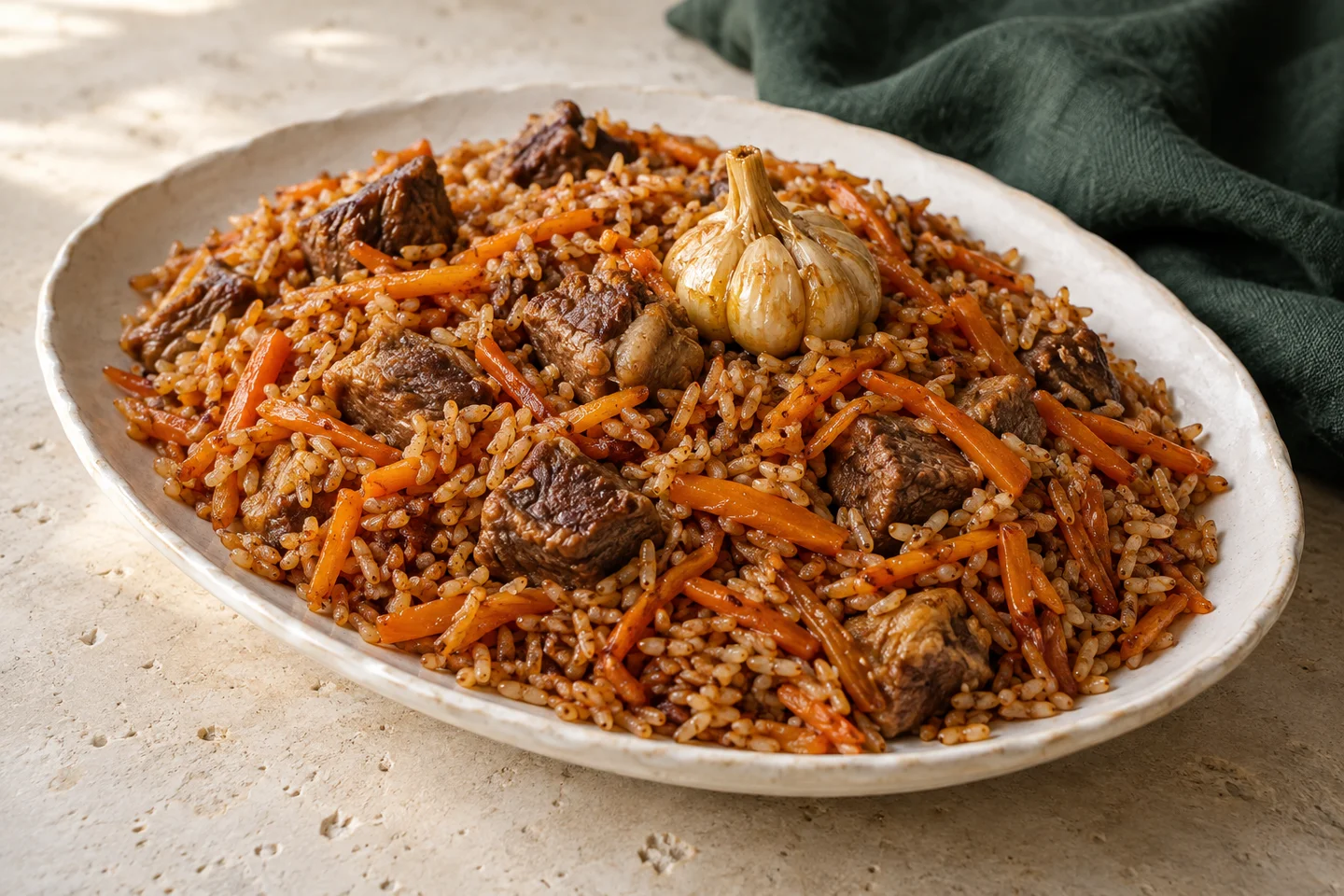
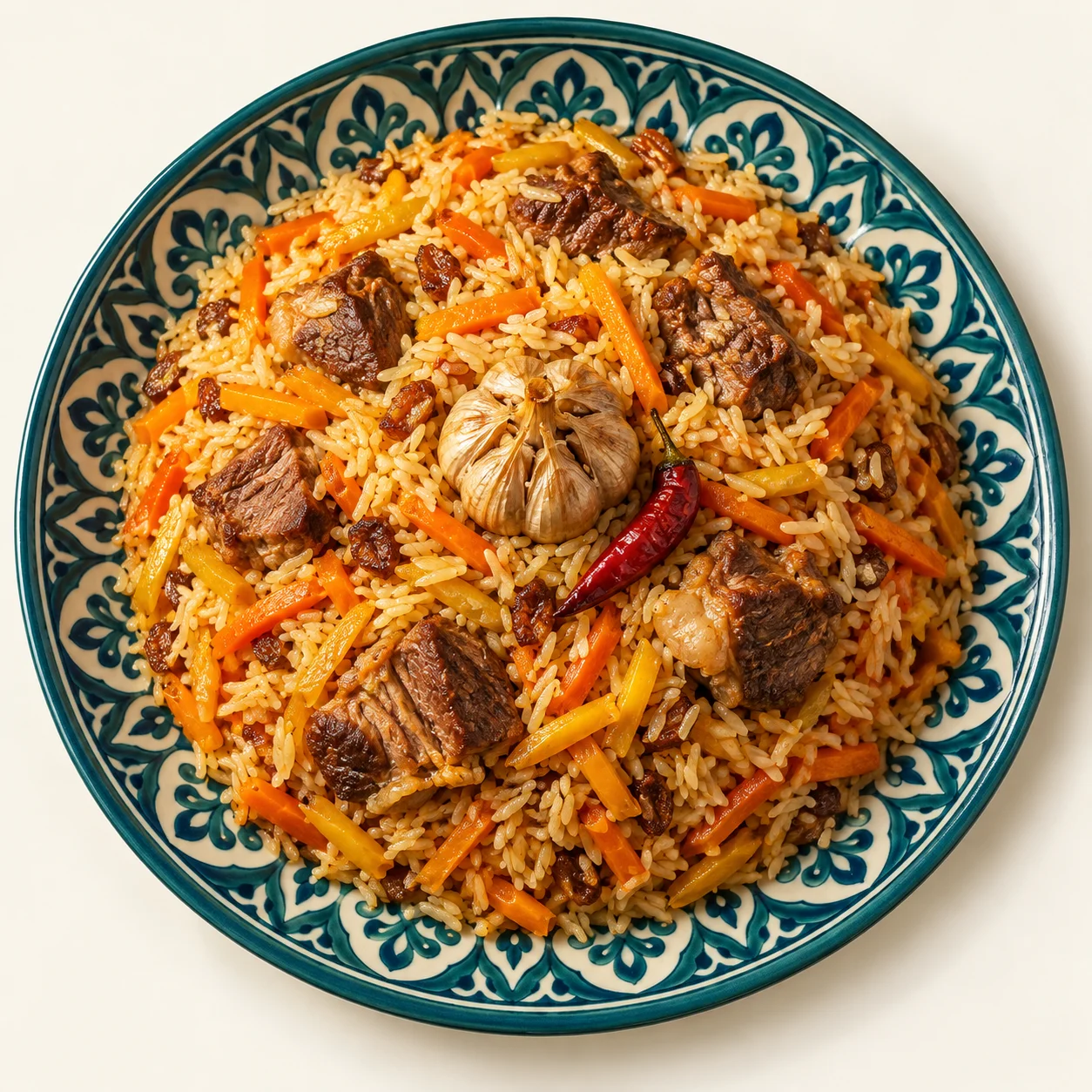
Good palov means more than a platter piled with meat. Rice should be cooked but not mushy, carrots should hold their shape, meat should be tender and spices should not overwhelm other flavours. This comes from matching ingredients, heat and time, rather than adding one 'secret' ingredient.
Do not treat this as the single recipe for every province. As you gain experience with your rice, kazan and hob, you will control water and heat more precisely. Starting with a smaller pot makes the result easier to observe.
Starting quantities for four people
For an initial shopping plan, allow 400 g raw rice, 400 g meat, 400 g carrots, 200 g onions and 100 ml vegetable oil. Use garlic, cumin and salt to taste. These amounts will not match every household's portions exactly: other dishes on the table and the guests' appetites also matter.
A blindly fixed number of litres of water may not produce the right result. Soaked and dry rice behave differently, as do wide and narrow pots. Choose a variety and keep notes of its package guidance and your observations from previous cooking. This is why the calculator does not calculate water automatically.
01. Prepare the kazan and workspace
The kazan should sit securely and the lid should fit well. Leave room for the rice to expand and for safe handling after adding ingredients. Overfilling makes stirring difficult and may cause liquid to overflow and heat to spread unevenly.
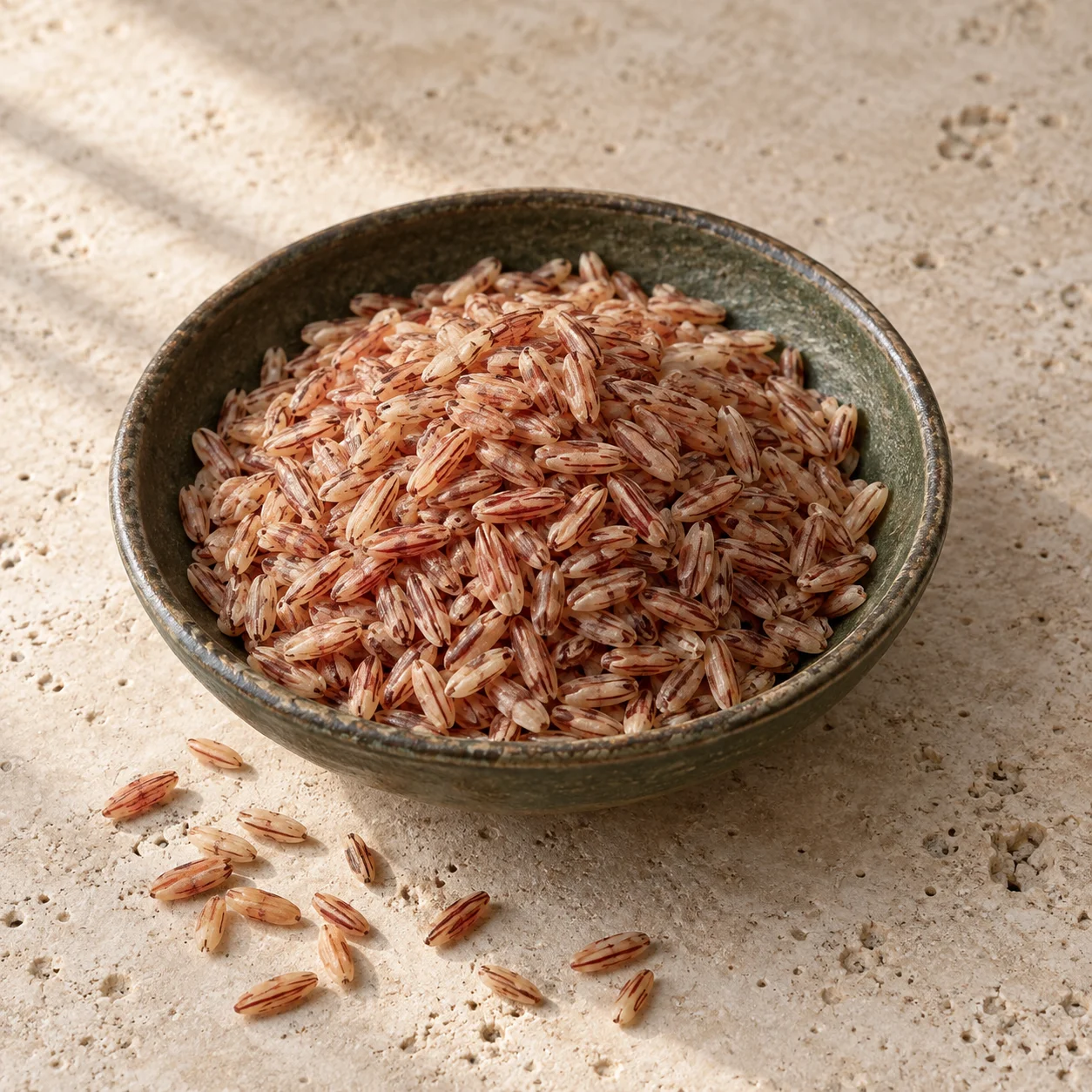
Pick over and rinse the rice. Cut carrots into strips of similar thickness and onions into manageable pieces. Keep meat pieces reasonably even in size too. Clean the knife and board used for raw meat before using them for ready-to-eat ingredients. Prepare everything beforehand so you are not searching for ingredients once the oil is hot.
02. Zirvak: the foundation of flavour
Heat the oil under control; making it smoke is not the aim. The order of frying meat and onions depends on the method. What matters is avoiding so many wet ingredients that the pot cools suddenly, and not allowing ingredients to burn black. Once the carrots are added, handle them carefully so they do not break down.
The zirvak's purpose is not to make every ingredient the same colour. It should create a base whose meat, onion, carrot and spice flavours will later pass into the rice. If adding water, beware of hot oil splashing: keep your face away and do not pour all the liquid in at once. Check the meat's tenderness before moving on.
03. Managing rice and water
Spread the prepared rice evenly over the zirvak. In this method, there is no need to keep stirring the grains into the meat and carrots below. The aim is to ensure heat and liquid reach the rice layer evenly. Judge water needs by the state of the grain's centre as well as the surface appearance.
Sample a little rice from several places: is there a hard core even though the outside has softened? Is water standing on one side while the other has dried out? These observations help you adjust the heat. Identifying the need and adding small amounts of water reduces mistakes compared with pouring in a large amount at once.
04. Dam: a stage that should not be rushed
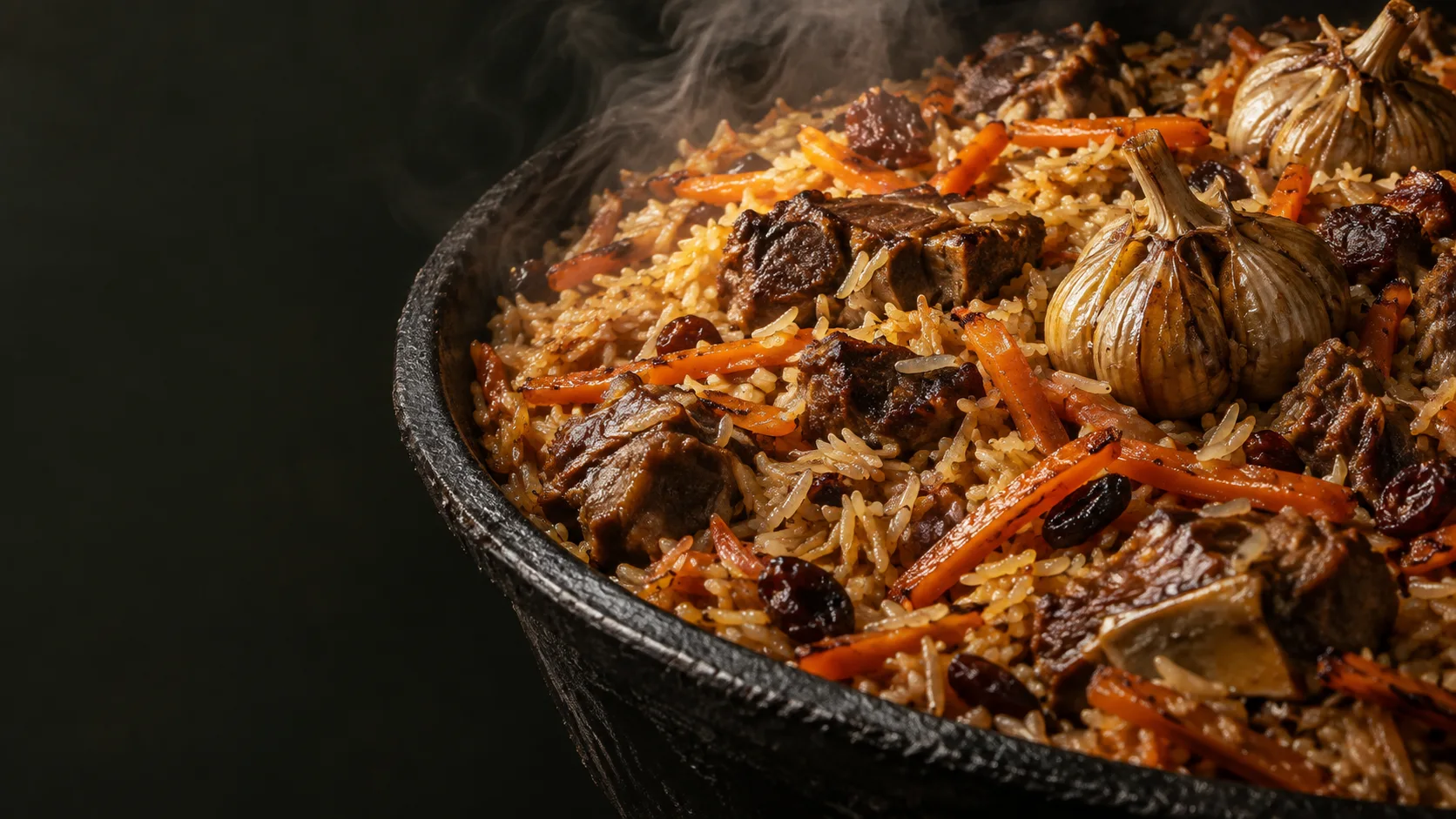
When free liquid has reduced and the rice is nearly ready, lower the heat for the final covered stage. Strong heat now can burn the bottom layer. Steam under the lid helps finish cooking; opening it every minute changes the process.
The exact number of minutes is not the same for every rice. Variety, soaking and the amount in the pot are key factors. Treat time as guidance and the grain's doneness as the final test. Hard rice short of water cannot always be corrected just by waiting longer.
Serving at the table
Serve the palov mixed or in preserved layers according to the regional method chosen. When arranging garlic, peppers and meat, consider balance among portions as well as the platter's appearance. No guest should be left with only rice or only the fatty parts.
Do not leave palov that will not be eaten immediately in a large pot at room temperature for a long time. Safe cooling and storage of cooked rice need particular care. Reheating leftovers does not necessarily undo earlier unsafe storage. The guide to storing palov explains why in more detail.
How can you manage the frying sequence?
Choose one consistent approach for home cooking: heat the oil moderately, carefully add meat whose surface is relatively dry and let it brown. Overcrowding the kazan can cause ingredients to stew in their own juices. The meat need not be tender all the way through at this stage; it will continue cooking in the zirvak.
After adding the onions, watch their colour. Onions that pass from golden to burnt black can make the flavour bitter. Add carrots next and stir without breaking them. This is not the only valid order: some cooks fry onions before meat. For a first attempt, following one chosen sequence is easier than combining two methods.
When is the zirvak ready for rice?
Before adding water to the fried base, make sure the oil is not excessively hot; add the liquid carefully without splashing. Let the base simmer steadily until the meat softens. Assess cooking time by piece size and tenderness as well as the clock. Adding rice too early over tough meat makes it harder to get both ingredients ready together.
Measuring cumin and salt beforehand reduces mistakes. Rice added later will spread the zirvak's flavour through the pot, but this does not mean making an excessively salty base. Count the salt in packaged stock, salted meat or other additions too. Use a separate clean spoon when tasting.
What to watch after adding rice
Drain the rinsed rice, or rice soaked as appropriate for the variety, and spread it evenly over the zirvak. Do not immediately stir it deeply into the meat-and-carrot layer below. When adding liquid, pouring over a skimmer or spoon softens the stream and helps avoid deep hollows in the rice layer.
The stage with visible surface water and the stage after it has been absorbed need different heat levels. Watch the water reduce, grains swell and pot boil evenly. Check inside grains at several points: if those at the edges differ from those in the middle, check heating and layer thickness. Colour alone cannot determine doneness.
Assessing the result after dam
Dam does not mean leaving raw rice without water over high heat. Its purpose is to finish cooking with the remaining moisture and heat. Frequent lid-opening lets steam escape faster, but if there are signs of burning, waiting for 'the recipe time' to expire is wrong too. Do not leave the pot unattended during cooking.
Judge the finished platter by three tests: are the grains cooked inside, is the meat pleasantly tender, and do fat or spices overwhelm other ingredients? Briefly note which points worked better or worse. Do not change everything at once next time: adjust water management first, for example, and the fat ratio separately afterwards. This turns practice into learning rather than random attempts.