Ingredients
Understanding ingredients: from rice to cumin
Discover how the rice variety, carrot cuts, meat size, oil and spices influence the result.
Rice is more than bulk
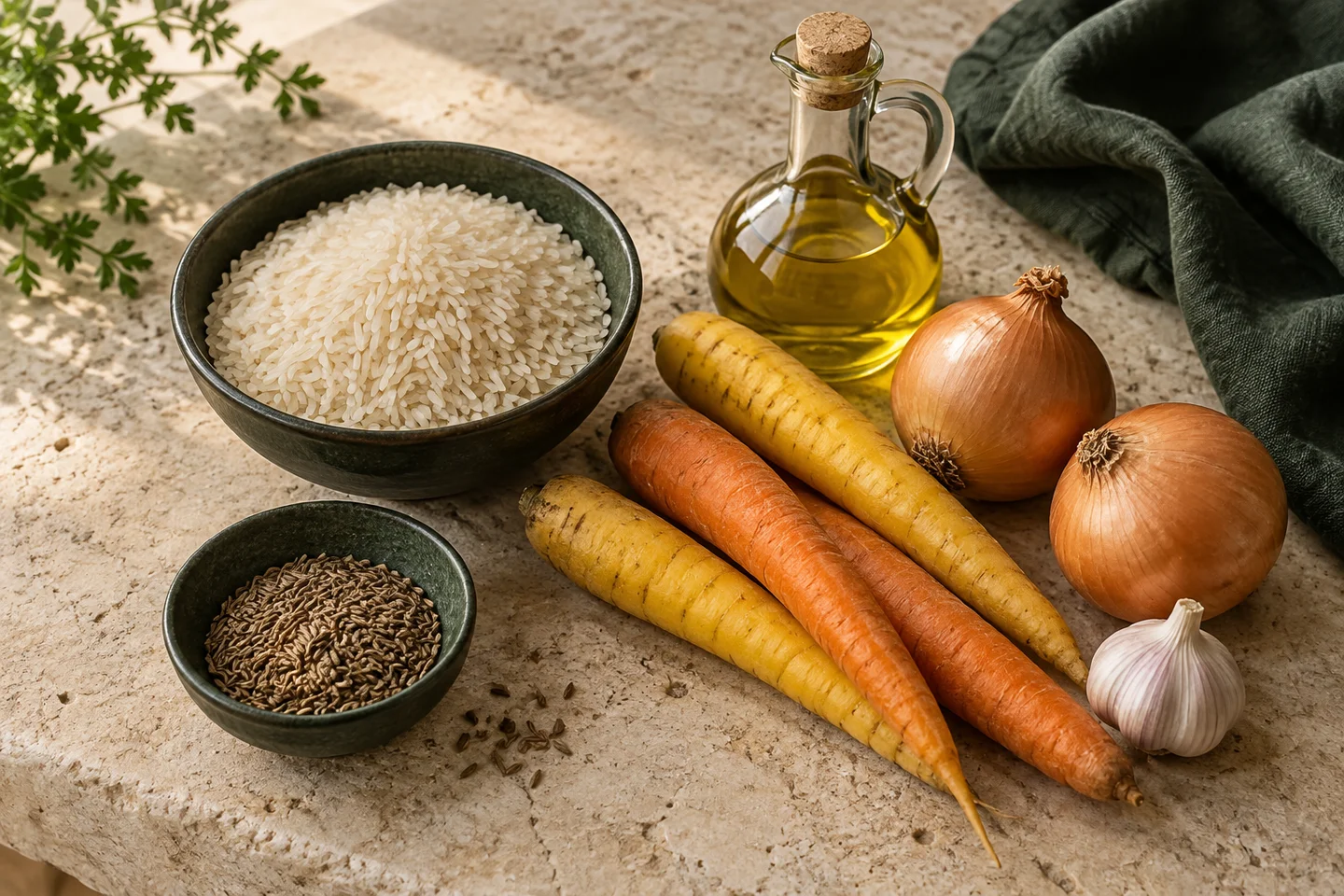
Rice does more in palov than sit alongside the meat. It absorbs the flavourful cooking liquid and gives the dish its main structure. That is why identifying the rice should be the first step when assessing water, cooking time and how well the grains will separate.
Grain length alone is not enough to go by. The variety, processing and any preliminary treatment also matter. Basmati and parboiled rice, for example, are not the same product; similar-looking packaging does not guarantee the same result.
Where is devzira rice used?
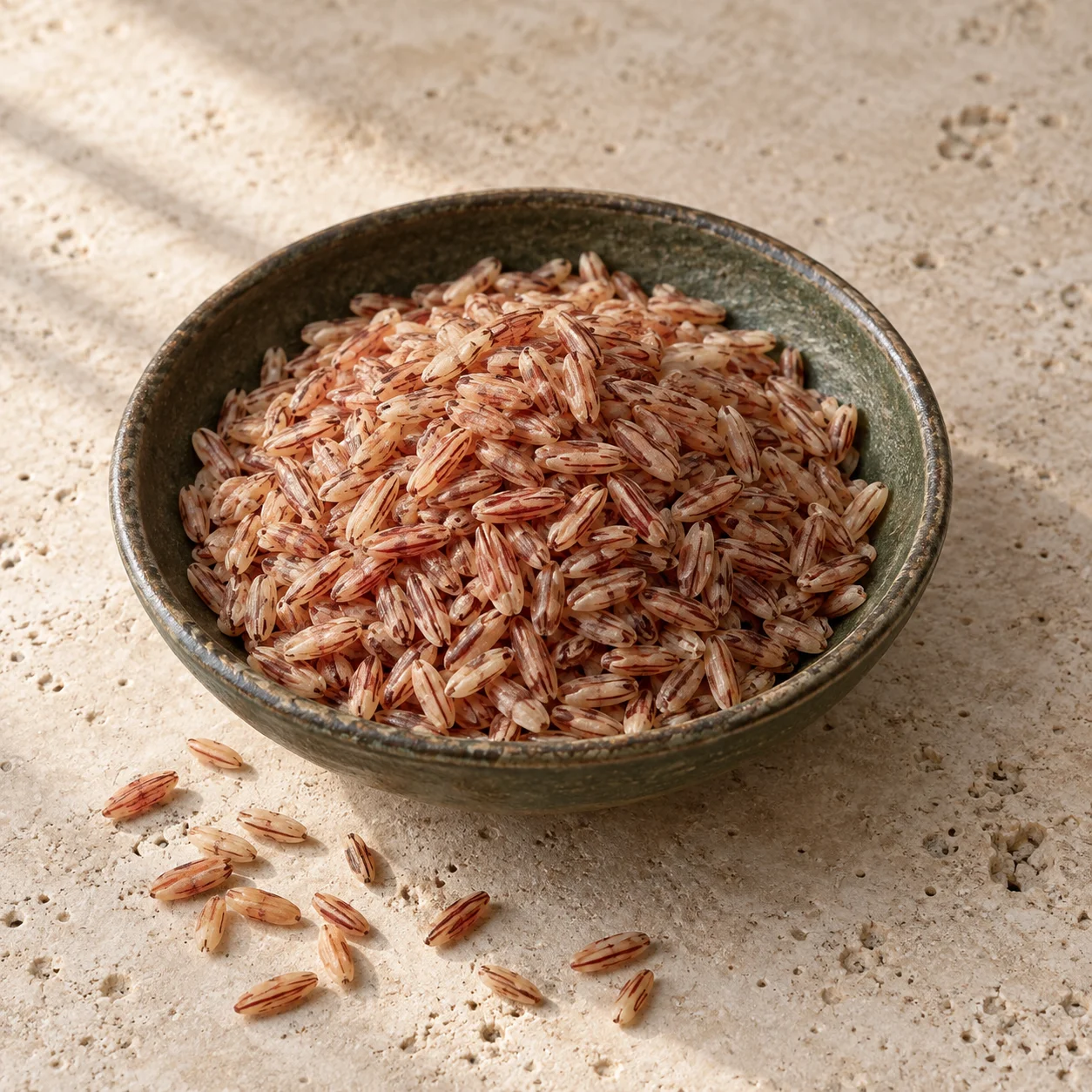
Devzira is closely associated with the palov traditions of the Fergana Valley. Its reddish-brown grains and plump cooked texture help distinguish it. Processing and storage may vary even among products sold under the same name; adjust the water and soaking to the rice you actually have.
Do not assume a newly bought batch will behave like rice left from an earlier one, or reuse quantities without checking. Treat the first pot as a controlled trial: how thoroughly did you rinse it, did you soak it, which pot did you use, and what was the result? These notes will help next time.
Basmati, long-grain and parboiled rice
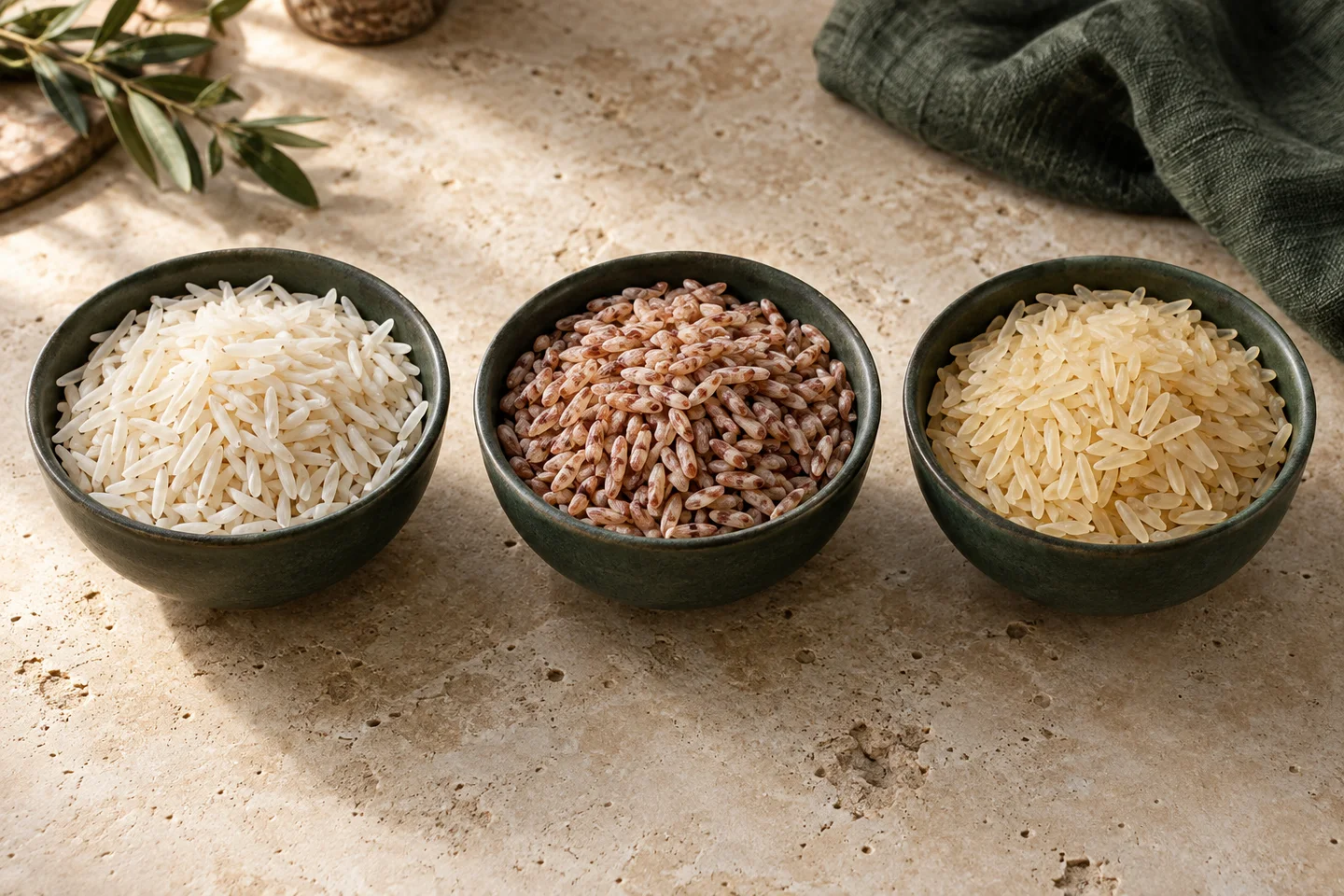
Basmati is an aromatic, long-grain rice. Parboiled rice is treated with heat and moisture before milling, which changes how the grains behave during cooking. When shopping, look at the product name and cooking instructions as well as its colour.
Some short- and medium-grain varieties become softer or stickier when cooked. If you want separate grains in your palov, choose a variety suited to that result. Do not assume that all rice cooks alike based on grain length alone.
Carrots: why the cut matters
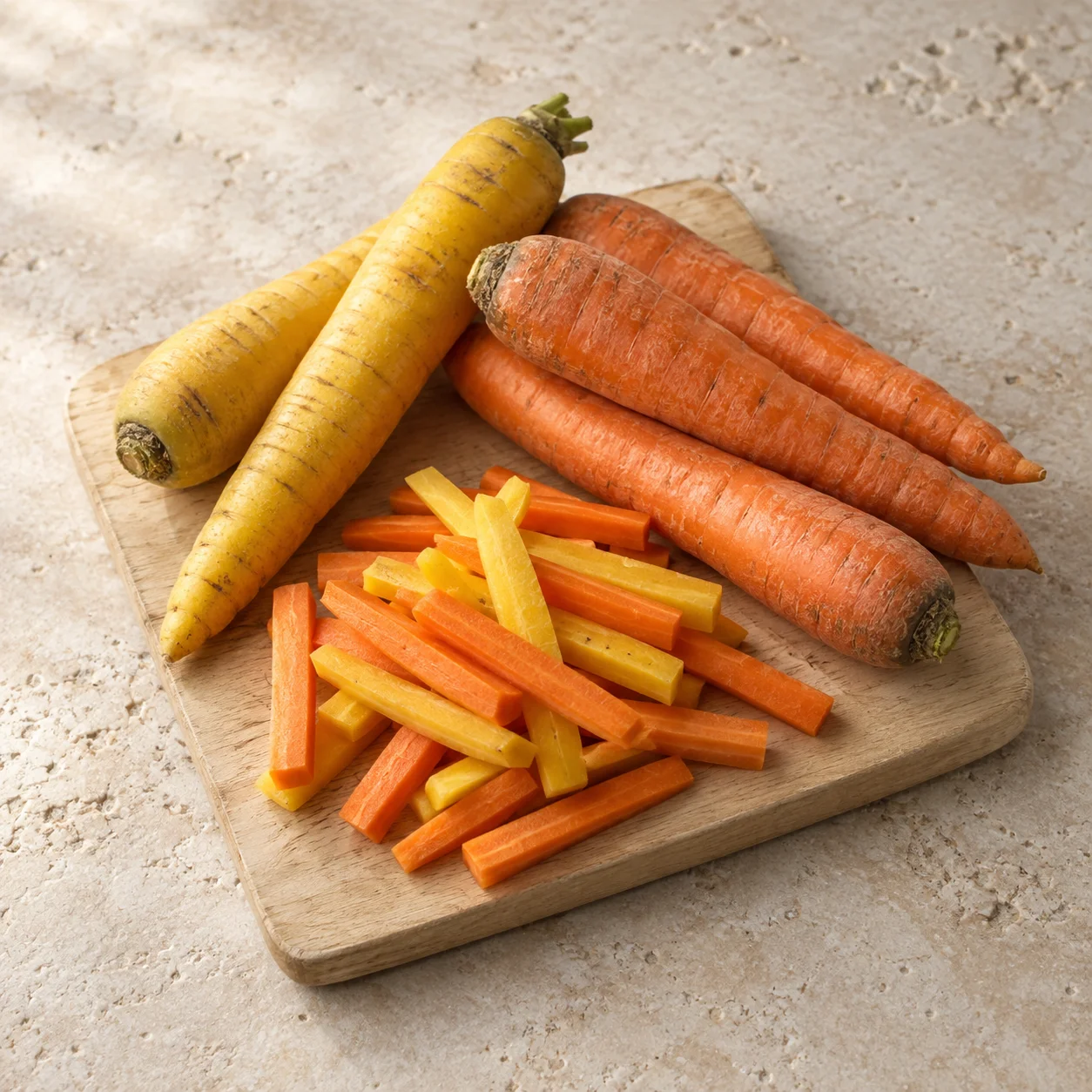
Carrots play an active part in the appearance and flavour of the dish. Cutting them into strips of similar thickness makes doneness easier to control. Very small pieces may lose their shape before the others are ready.
Some palov recipes use yellow carrots, others red carrots. Colour alone does not automatically place a dish in a particular province. To identify a regional method, consider the rice, zirvak, additions and serving style together.
Meat: more than a matter of quantity
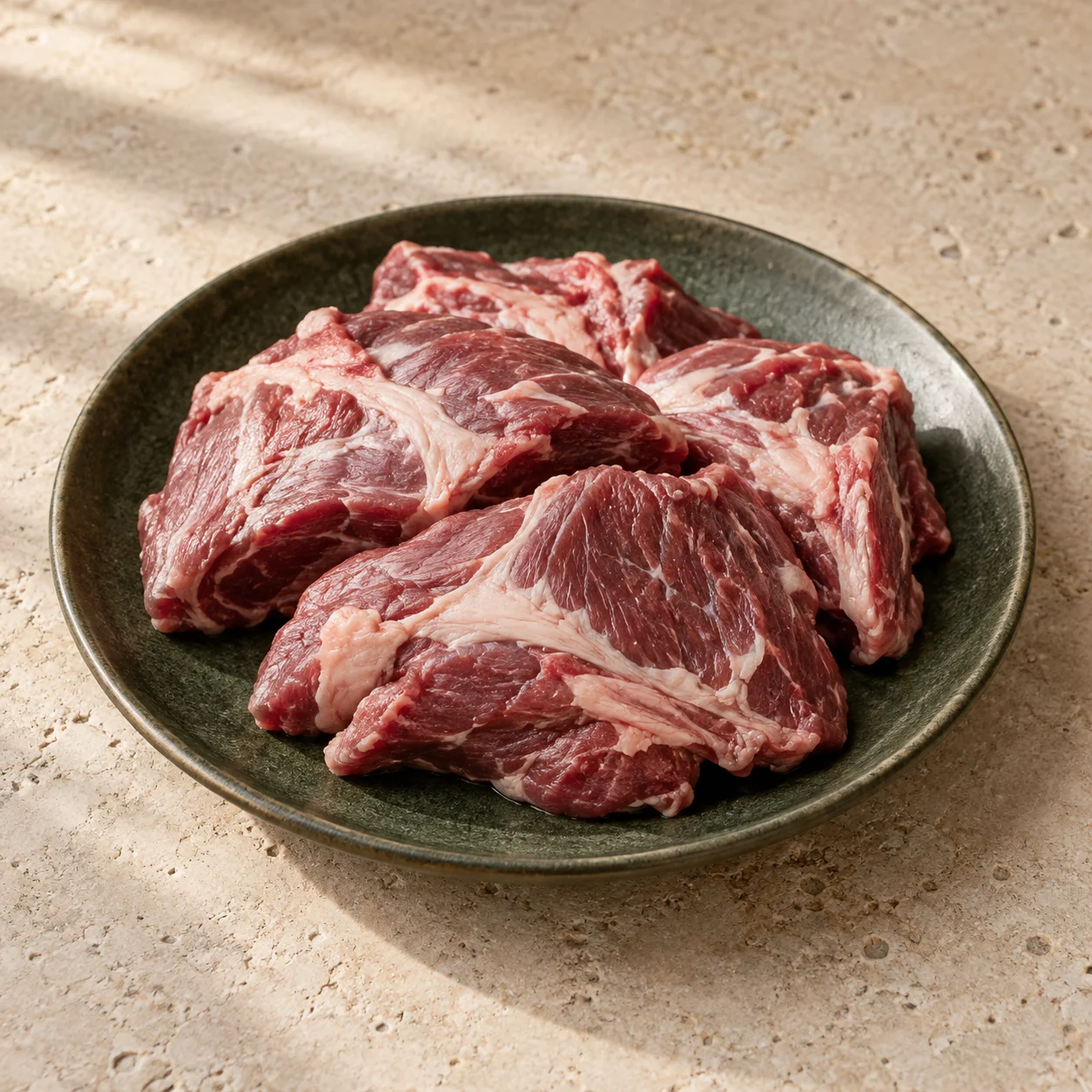
The type of meat and size of the pieces affect the time needed to become tender. Do not expect a large joint and finely cut meat to be ready together. More evenly sized pieces are easier to monitor. Fat content also matters: fatty meat affects how much cooking fat you need to add.
The formula 'more meat means better palov' overlooks the balance with rice and carrots. The aim is harmony within the chosen recipe, rather than allowing one ingredient to dominate. Clean handling and suitable storage are always essential when working with raw ingredients.
Oil, onions and spices
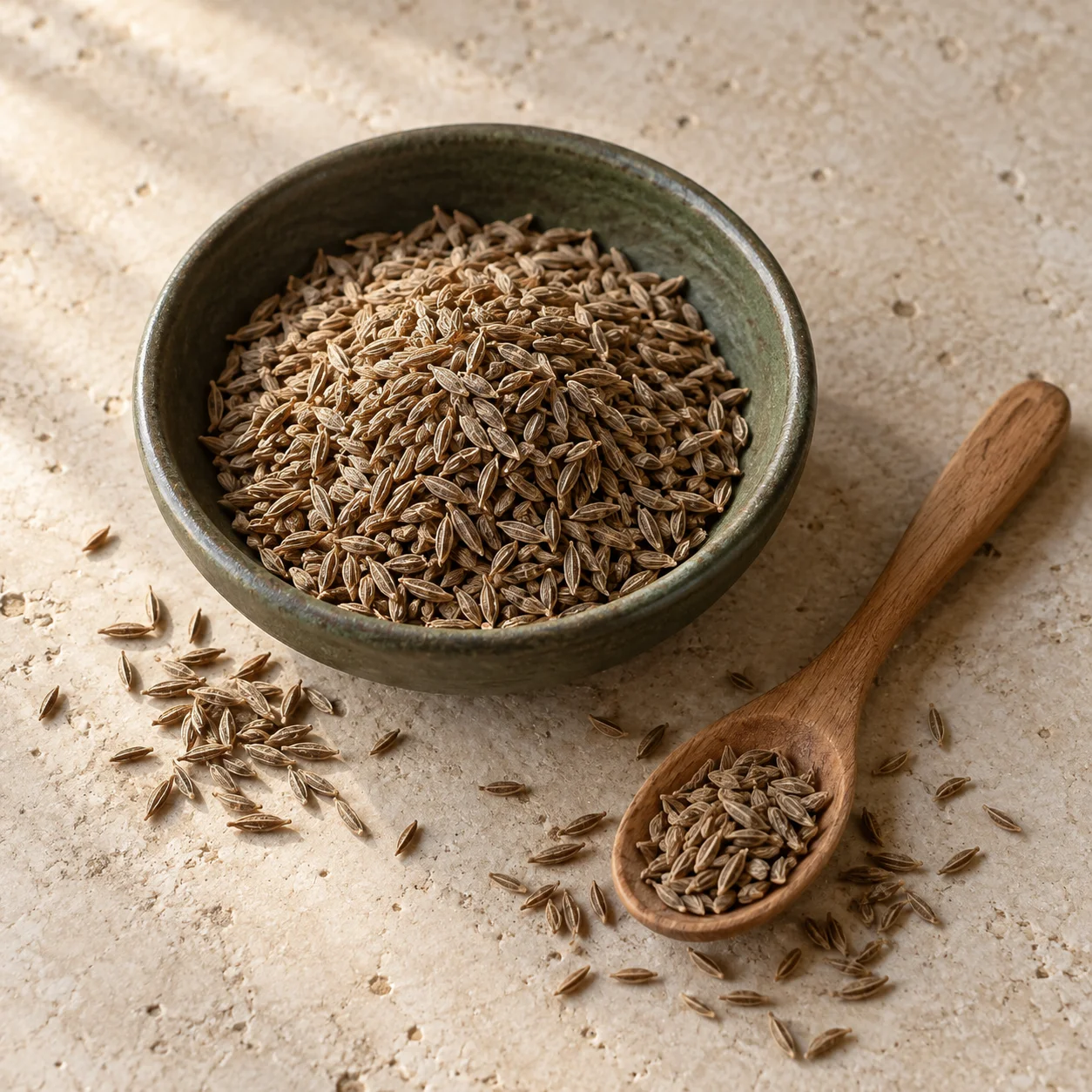
Oil helps with frying and carrying flavour, while onions form part of the flavour base of the zirvak. Overheating and burning them is not merely a colour difference that can be hidden with rice later: the burnt taste can spread through the entire dish.
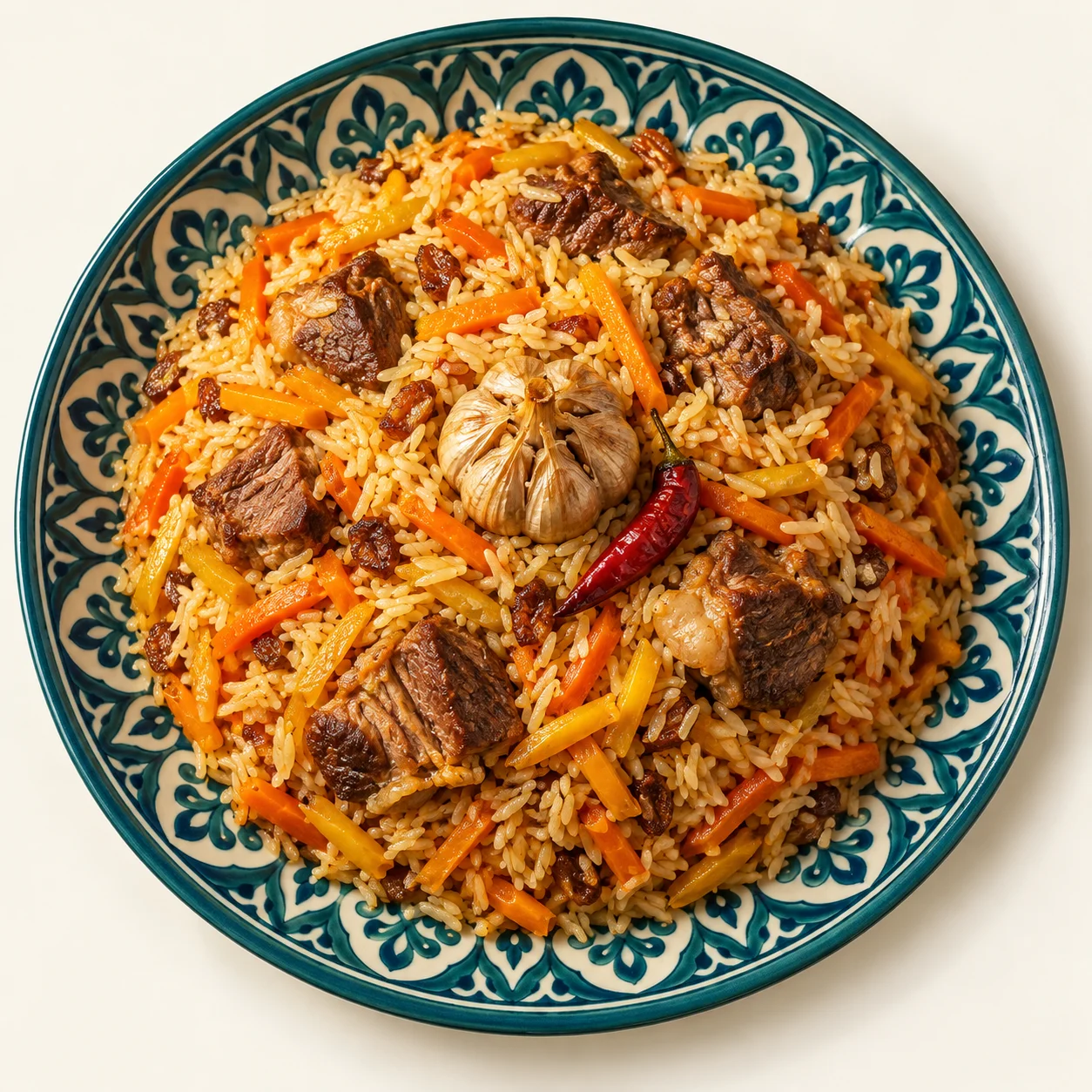
Adding more cumin will not correct other mistakes. Use garlic, chilli, raisins, chickpeas or saffron in keeping with your chosen method. Putting every addition from several different recipes into one pot will not necessarily make it tastier.
A quick check before shopping
Note the number of guests, rice variety, pot size and other dishes you will serve. Then calculate your starting quantities. Do not confuse raw ingredient weight with the weight of a cooked portion: rice absorbs water, and the other ingredients add to the total.
Once you obtain consistent results with one rice variety and one pot, it is easier to try another ingredient or method. Changing the rice, pot, oil and proportions at the same time makes it harder to identify what caused the difference.